
Mental health · 4 min read
Mental Health First Aid explained: what it is and who needs it
What a Mental Health First Aider does and doesn't do, how MHFA fits with your legal duties, which MHFA England course to choose, and how to make the role work.
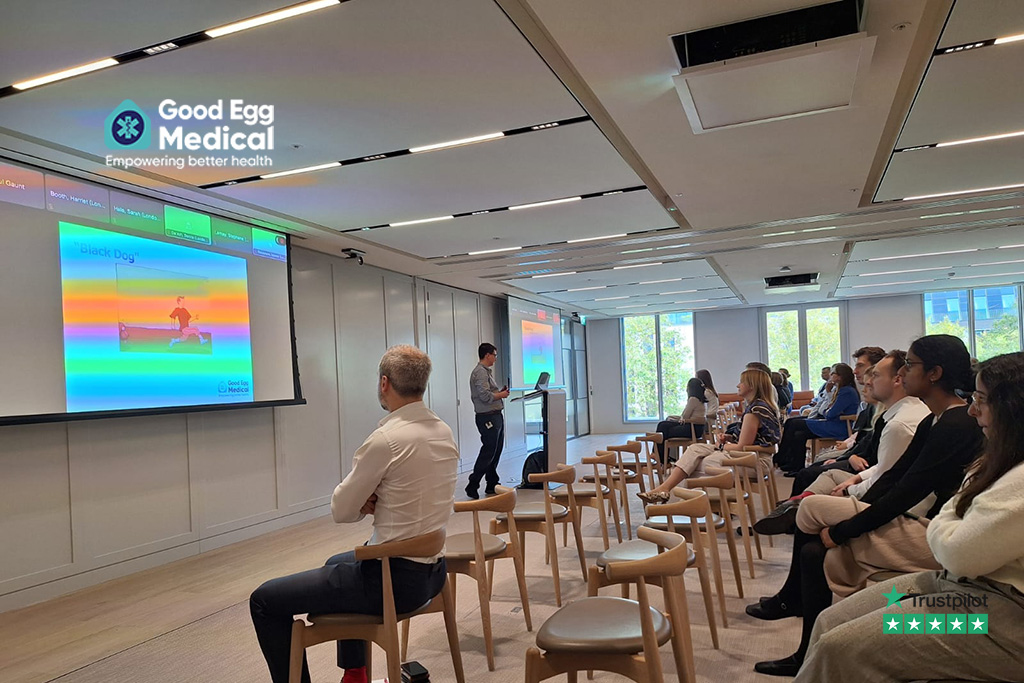
What Mental Health First Aid is
Mental Health First Aid (MHFA) is a training programme that started in Australia in 2000 and has been delivered in England by MHFA England since 2007. The idea is simple: just as physical first aiders help in the minutes before an ambulance arrives, Mental Health First Aiders help someone who is struggling get the right support sooner.
People who complete the two-day Adult MHFA course become certified MHFAiders®.
What an MHFAider does, and what they don't do
An MHFAider is a trained, approachable point of contact. They learn to notice the early signs of mental ill health, start a conversation, listen without judgement, and guide someone towards appropriate help, whether that's their GP, an employee assistance programme, NHS talking therapies or emergency services. They also learn how to respond if someone is in crisis or at risk of suicide.
An MHFAider is not a therapist or counsellor. They don't diagnose, they don't provide ongoing treatment, and they shouldn't be left to carry someone's problems alone. Making those boundaries clear protects your staff and your MHFAiders.
Where it fits with your legal duties
Employers have a legal duty under the Management of Health and Safety at Work Regulations 1999 to assess the risk of work-related stress and act on it. HSE's Management Standards give a framework covering six areas: demands, control, support, relationships, role and change.
Since 2018, HSE's first aid guidance has also asked employers to consider mental ill health in their first aid needs assessment. Trained MHFAiders are a good way to meet that, but they are not a substitute for tackling the causes of stress at work. The organisations that get the most from MHFA treat it as one part of a wider plan.
HSE figures have for years shown that stress, depression and anxiety account for around half of all work-related ill health in Britain.
Which MHFA England course is right?
Adult Mental Health First Aid (two days) qualifies people as MHFAiders. Choose it for the people who will be your named points of contact. It includes three years of access to MHFA England's MHFAider support and learning resources.
MHFA Champion (one day) builds awareness and confidence to support positive mental health and challenge stigma. It suits line managers and wellbeing leads who need more than an introduction but won't be named MHFAiders.
Mental Health Aware (half day) is an introduction for whole teams. It works well for onboarding or awareness days and helps everyone understand what the MHFAiders are there for.
Youth Mental Health First Aid (two days) is for adults who work with young people aged 8 to 18, such as school staff, youth workers and sports coaches. It covers issues such as self-harm and links mental health support to safeguarding procedures.
How many MHFAiders, and who?
There's no legal ratio. A practical aim is that anyone in your organisation can find an MHFAider they feel comfortable approaching. That means spreading them across sites, shifts, departments and levels of seniority, and reflecting the make-up of your workforce.
Pick people who want the role rather than appointing them. Good MHFAiders are approachable, trusted and able to keep appropriate confidences.
Making the role work
Write a short role description. Agree how much time MHFAiders can spend on the role. Set out a clear escalation route to HR, occupational health or your employee assistance programme.
Be clear about confidentiality and its limits: if someone's life is at risk, MHFAiders must get help. Tell staff who the MHFAiders are and how to reach them. Most importantly, look after your MHFAiders. Supporting someone in distress can be draining, so give them a way to debrief and access support for themselves.
If you want to track impact, record anonymised information such as the number and type of conversations, never names or personal details.
If someone is in crisis
If someone's life is at immediate risk, call 999 or go to A&E. For urgent mental health help in England that isn't an emergency, call NHS 111 and choose the mental health option, or contact their GP. Samaritans are available free, 24 hours a day, on 116 123. Shout offers a free text support service: text SHOUT to 85258.
Talk to us
We deliver MHFA England courses at your workplace or school. Book a free 15-minute call and we'll help you choose the right mix of courses for your team.